Sell to Us · Garden Grove
Estate buyers for Garden Grove, the city of original owners.
Free visit · cash offers · no obligation
California Vintage Buyers buys estates in Garden Grove, from 1950s household contents and collections to full clear-outs: one free visit and one cash offer for everything with value, no obligation. Call (949) 449-1255.
Garden Grove boomed in the 1950s faster than almost anywhere in America: strawberry fields became tract neighborhoods in a single decade, and the families who bought those new houses largely stayed. Today that means something rare: whole streets of original-owner households reaching the estate years together.
An original-owner house is a time capsule, and we treat it that way. The furniture bought on Harbor Boulevard in 1958, the garage organized for sixty years, the china cabinet that never moved: we evaluate it all in one respectful walkthrough and make one cash offer that names where the value is.
What the boom decade households hold
1950s household contents
Dinette sets, blond furniture, lamps, barware, and kitchens full of atomic-era design.
Text us a photo Send us a photoGarage decades
Tools, signage, bicycles, and the careful keeping of a generation that fixed things.
Text us a photo Send us a photoCollections
Stamps, coins, records, and souvenir shelves from a traveling retirement.
Text us a photo Send us a photoVietnamese heritage pieces
Lacquerware, art, and family items evaluated knowledgeably and handled with respect.
Text us a photo Send us a photoFull clear-outs
Broom-ready service for families on escrow or relocation timelines.
Text us a photo Send us a photoEvery language a household speaks
Garden Grove’s estates today reflect everyone who built the city: the post-war families of the tract boom and the Vietnamese families who remade the city’s heart from the 1970s onward. We move comfortably through both kinds of households, value what each one holds, and can arrange a visit in Vietnamese when that makes things easier for the family. From West Garden Grove to the Magnolia corridor, one call covers it.
Why It Matters
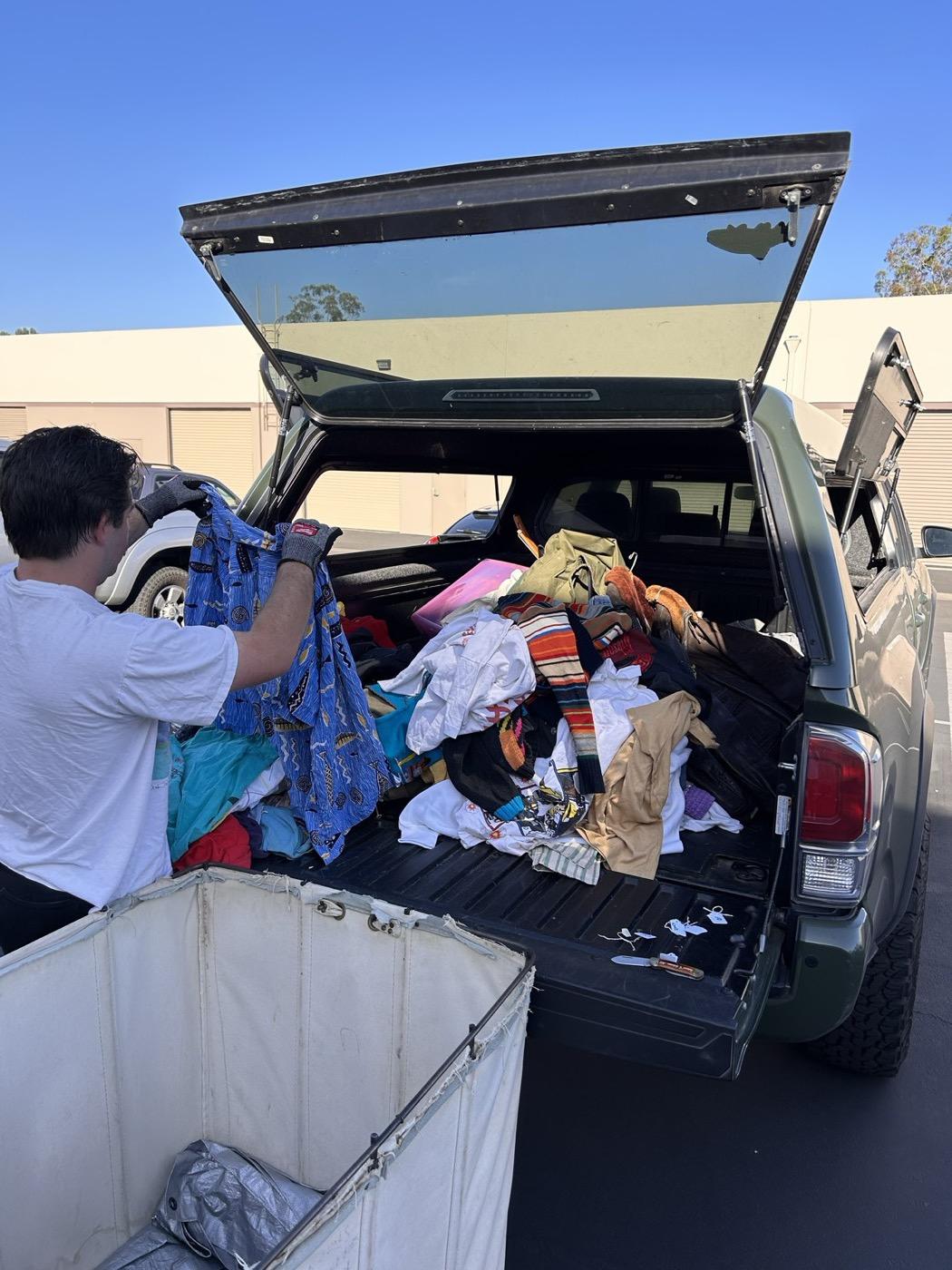
The difference between ordinary and valuable is in the details: a stitch, a hallmark, a date code. Knowing them is our entire job.
How it works
Call or text photos.
A real conversation about what you have, no pressure to sell.
We come to you.
We look at everything, at your pace. We know what we're seeing.
Cash offer, same visit.
A fair price on the spot, or a full estate sale run for you.
Common questions
Is 1950s furniture from a regular tract home actually worth money?
Sometimes, and the maker's mark decides it. As of August 2026 we are passing on most furniture and buying only select mid-century pieces with a maker's name or real design behind them. The lamps, the kitchen pieces, the jewelry box, and the closets are where tract homes surprise people, and those we always want to see.
Can you arrange a visit in Vietnamese?
Yes. Có thể. Tell us when you call and we will set the visit up so the whole family is comfortable with every step and every number.
The house must be empty in three weeks. Possible?
Comfortably. Walkthrough this week, offer on the spot for the pieces of real value, removal of what we buy scheduled around you, and donation or our own clean-out for the remainder. Three weeks is more time than we usually get.
Our family brought things over from Vietnam in the seventies. Would you know what they are?
Yes, and those pieces are frequently the most interesting things in the house: lacquerware, inlaid furniture, ceramics, ao dai and family textiles, documents, and photographs. Keep the papers and photographs together with the objects they belong to, because how something travelled is part of its value. Do not use household polish on lacquer or mother of pearl inlay, and do not have torn textiles mended before anyone looks at them.
The garage is fifty years of hand tools and a workbench Dad built. Is any of that worth showing you?
Yes, and in a Garden Grove garage it is often the best room in the house. Turn a plane, wrench, or chisel over and look for a maker’s name, a patent date, or a Made in USA stamp on the shank or body; older American tools with forged bodies and wooden handles are collected, while later imported sets rarely are. Complete sets, machinist chests, and anything still in its original box are worth more together than picked apart. Do not sand the rust off or repaint anything, because a wire wheel takes the stamped markings with it.
There is an old balloon-tire bicycle hanging in the rafters. How do we find out what it is?
Start with the head badge on the front tube and the serial number stamped underneath the bottom bracket, where the pedals go. Between those two a collector can usually name the maker and the decade. Tanks, springer forks, chain guards, and original paint with readable decals carry the value, and reproduction parts are common on bikes that were rebuilt once already. Do not strip or repaint it, and do not throw out a rusty original fender to tidy it up, since a repaint removes more value than it adds.
One call. We’ll take it
from there.
(949) 449-12555.0 on Google · Free visit, no obligation · Cash the same visit
Mon-Sat 6 am-8 pm · Sun 8 am-5 pm
A real person answers seven days a week, weekends included. Photos sent today are usually answered the same day.
Or send your photos online Photos on your phone? Text them to (949) 449-1255
Also from California Vintage Buyers
- Estate buyers for Orange County. Call us first, while everything is still in the house.→
- Estate buyers for Anaheim, the city with magic in its garages.→
- Sell mid-century furniture without lifting a credenza.→
- The busiest estate town we serve is ten minutes from our door.→
- Estate buyers for Lake Forest. We are practically neighbors.→
- Estate buyers for Placentia, a town with packing house roots.→