Sell to Us · La Mesa
Estate buying in the Jewel of the Hills, where old houses kept their contents.
Free visit · cash offers · no obligation
La Mesa is one of the few San Diego suburbs with a real antique district of its own, so families here tend to know that grandmother's things have value. What they usually do not know is how much, or who actually pays it. We are buyers, not a consignment shop. We walk the house, explain what the resale markets pay for each category, and make a cash offer on the spot.
The housing stock does the rest. Craftsman bungalows and Spanish revivals near the village, and the winding streets up Mt. Nebo and Mt. Helix, hold original-owner households from the 1920s through the 1970s. When one of those homes changes hands, we can often price the entire contents in a single free visit.
What we buy in La Mesa homes
Mid-century furniture and lighting
Danish credenzas, walnut dining sets, and lamps from the postwar hillside builds.
Text us a photo Send us a photoEstate jewelry
Boxes of rings and brooches priced piece by piece, in front of you.
Text us a photo Send us a photoVintage clothing and denim
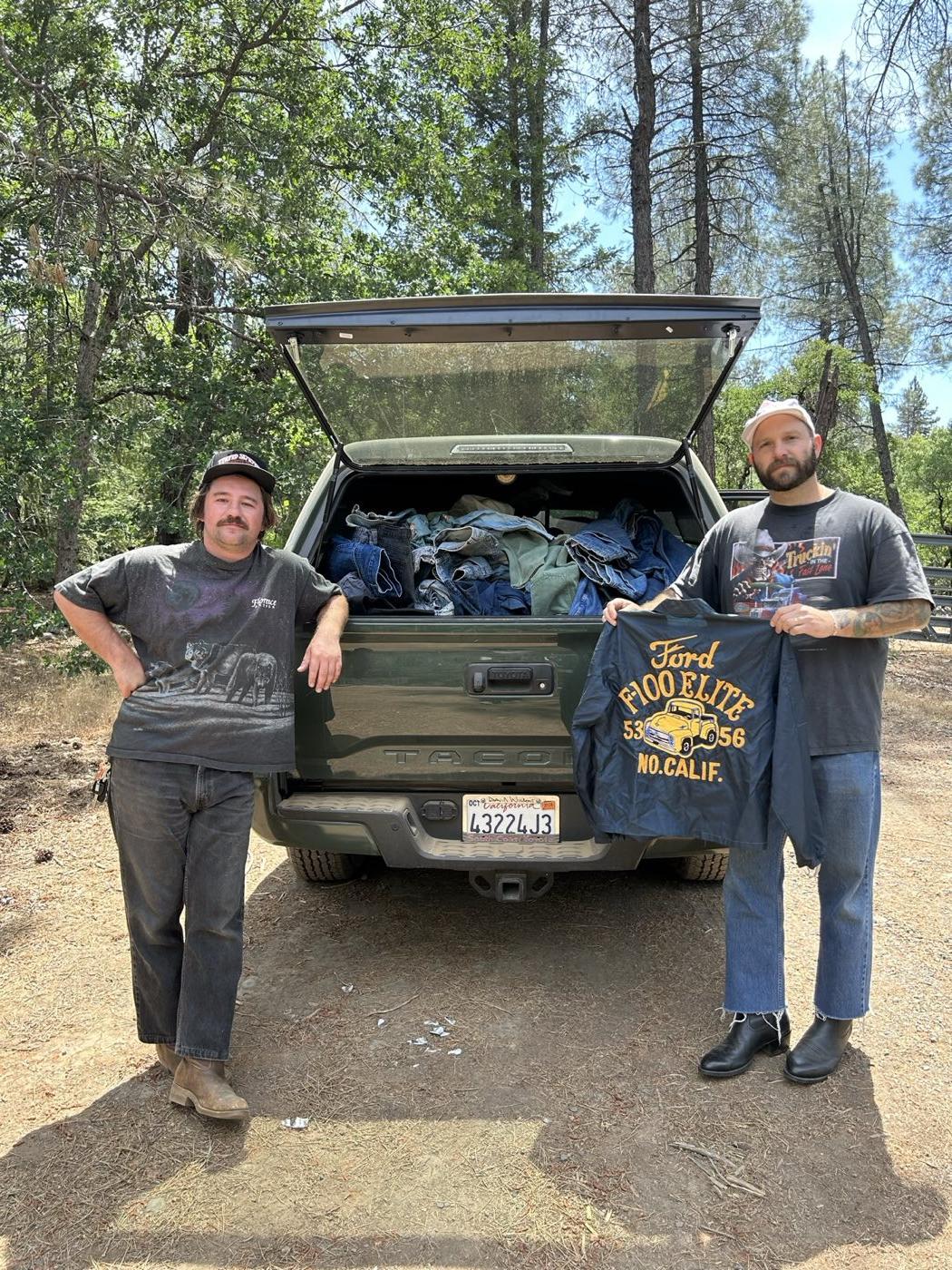
Old Levi's, workwear, and dresses that survived decades in East County closets.
Text us a photo Send us a photoArt, pottery, and California craft
Plein air paintings, studio ceramics, and pieces bought locally over a lifetime.
Text us a photo Send us a photoCoins and watches
Coin collections and pocket watches, priced by date, grade, and maker, and explained honestly.
Text us a photo Send us a photoWhy La Mesa households reward a careful buyer
The village along La Mesa Boulevard has been selling antiques for decades, so sellers here have usually gotten one lowball already, often from a dealer who only wanted the two best pieces. Our approach is different because we buy across categories: the Mt. Helix ranch house with the walnut furniture usually also has the jewelry box, the coin folder, and the closet of 1960s clothes. We price all of it together and tell you which items carried the number. From the craftsman blocks near Collier Park to the original-owner streets above Grossmont Center, the visit is free and you are under no obligation to accept.
Our Word
One phone call is the whole process. A real person answers, we come to you, and you decide with a cash offer in hand.
How it works
Call or text photos.
A real conversation about what you have, no pressure to sell.
We come to you.
We look at everything, at your pace. We know what we're seeing.
Cash offer, same visit.
A fair price on the spot, or a full estate sale run for you.
Common questions
My parents' La Mesa house has been in the family since the 1950s. Where do we start?
Start with a walkthrough before anything gets donated or thrown away. Original-owner homes are exactly where value hides in garages, cedar closets, and hall cabinets. We will look at everything, tell you plainly what has resale value and what does not, and make one cash offer.
Should I sell to a village antique shop instead?
The village shops are good at what they do, but most take consignment or buy only their specialty. We pay cash the same day, buy across every category from mid-century furniture to denim to trading cards, and come to your house, which matters when there is a whole household to settle.
Do you handle full estate sales in La Mesa?
Yes. When a direct purchase is not the right fit, we run the estate sale ourselves: pricing, staging, and the sale weekend. We will tell you honestly which route puts more money in your pocket for your specific house.
A dealer already offered on the two best pieces of furniture. What happens to everything else?
That is the usual pattern here, and it is how a house gets cherry-picked and then donated. Before you take a two-item offer, have the whole house looked at, because the 1960s closet, the costume jewelry, the linens, the kitchen, and the garage often add up to more than the walnut sideboard everyone wanted. Do not book a donation truck or a hauler until someone has priced across categories and told you which items carried the number.
The walnut credenza came with the hillside house in the sixties. Should we have it refinished first?
No. Stripping and refinishing removes the original surface that buyers of Danish and mid-century furniture are paying for, and it turns a readable piece into a used one. Look for the identifiers instead: a branded or stamped maker’s mark on the back panel or inside a drawer, a Made in Denmark medallion, solid edges rather than thin veneer over particle board, and clean joinery in the drawer corners. Sun fade, ring marks and a loose leg are all normal and we price around them.
There are old Levi’s in the back of a closet. What should I look for, and should I wash them first?
Do not wash them, do not mend them, and do not cut off any tags. Stiff, dusty, unwashed denim is exactly what we want to see, and one hot wash or a well-meant repair can take a serious pair down to an ordinary one. What to look for: a red tab on the back pocket and whether it carries lettering on one side or both, a colored selvedge line inside the outseam when you turn the leg inside out, single-stitched pocket hems, and any paper tag or care label still attached. Holes and worn knees are fine.
One call. We’ll take it
from there.
(949) 449-12555.0 on Google · Free visit, no obligation · Cash the same visit
Mon-Sat 6 am-8 pm · Sun 8 am-5 pm
A real person answers seven days a week, weekends included. Photos sent today are usually answered the same day.
Or send your photos online Photos on your phone? Text them to (949) 449-1255
Also from California Vintage Buyers
- El Cajon estates live in the garage as much as the house.→
- Sell vintage clothing in San Diego, a city built for our trade.→
- Estate buying in Poway means walking the barn too.→
- Estate buying inside the Covenant, done quietly and on paper.→
- Downsizing in San Marcos, on your timeline and not ours.→
- Sell vintage in Carlsbad, the village that kept its character.→