Sell to Us · Ojai
Sell vintage in Ojai, the valley that collected on purpose.
Free visit · cash offers · no obligation
California Vintage Buyers buys vintage in Ojai, from studio pottery and craft furniture to art of the valley: a free visit and a cash offer, no obligation. Call or text photos to (949) 449-1255.
Ojai’s households were assembled by people who came here deliberately: potters and painters, musicians, teachers of every tradition, and readers who wanted a valley to think in. Their houses hold studio ceramics with real names, craft furniture, deep bookshelves, and art bought from neighbors who turned out to matter.
Beatrice Wood worked here into her second century, and her shadow is the valley’s standard: handmade things, kept thoughtfully. We evaluate Ojai households in that spirit: slowly, knowledgeably, and with honest attribution work where signatures are faint or absent.
What valley households hold
Studio pottery
Wood-circle and valley potters, lusterware, and the marked work of craft careers.
Text us a photo Send us a photoCraft furniture and weavings
Handmade pieces, looms’ output, and the made-here furnishings of intentional homes.
Text us a photo Send us a photoBooks and ideas
Philosophy, music, and the libraries of a town that hosted thinkers for a century.
Text us a photo Send us a photoArt of the valley
Paintings and prints by Ojai names, signed or worth the attribution effort.
Text us a photo Send us a photoWhole households
Complete contents from the East End to Meiners Oaks, handled at valley pace.
Text us a photo Send us a photoAttribution is everything in a craft town
Ojai pieces are often signed quietly or not at all: a cipher under a glaze, initials in a foot ring, or nothing but style and provenance. We do the homework: mark references, local histories, and the network of people who knew who made what. The difference between anonymous pottery and an attributed valley piece is real money, and the work of proving it is ours, not yours. Upper valley to town, the visit is unhurried.
How We Work
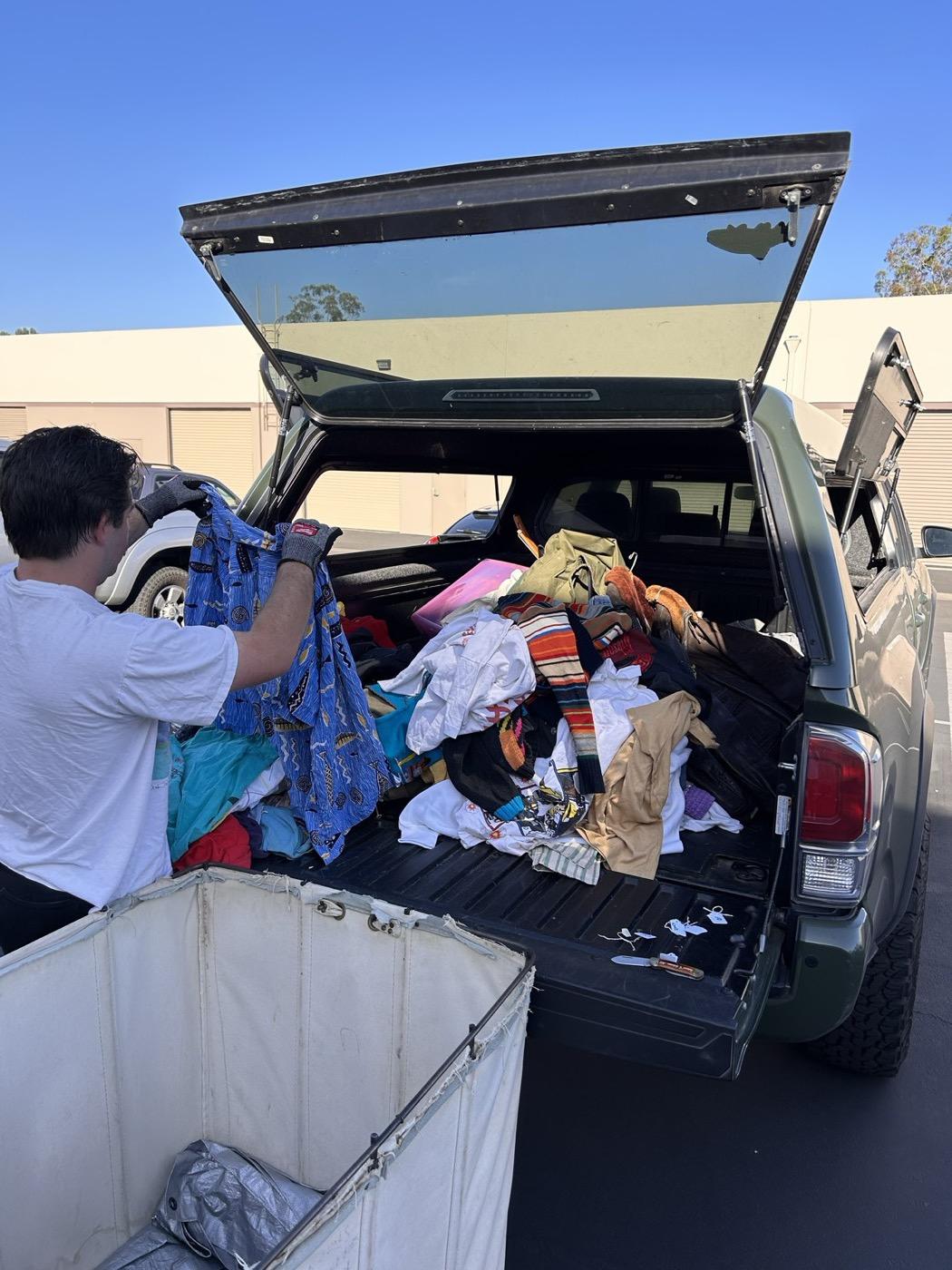
We evaluate everything in front of you, explain what we’re seeing, and pay cash before we leave. No consignment, no waiting on a sale.
How it works
Call or text photos.
A real conversation about what you have, no pressure to sell.
We come to you.
We look at everything, at your pace. We know what we're seeing.
Cash offer, same visit.
A fair price on the spot, or a full estate sale run for you.
Common questions
How do you research unsigned local pottery?
Glaze, form, clay body, and provenance, checked against documented work and valley memory. Photographs of marks and foot rings start the process before we ever drive up.
We have pieces bought directly from Beatrice Wood. What should we do?
Document everything: receipts, photographs, letters, and the story of the purchase. Provenance multiplies value for her work, and we handle such pieces with appropriate seriousness.
Is the drive to Ojai a problem for smaller collections?
We bundle valley visits with Ventura runs, so modest collections fit the route fine. Exceptional single pieces justify the drive on their own.
The shelves are mostly philosophy and books from the years teachers lectured in the valley. Where is the value on a shelf like that?
Rarely in the matched leather sets, which are usually decorative. It sits in first printings with their dust jackets intact, in inscribed and association copies, and in the thin material people throw out first: lecture pamphlets, programs, local printings, and letters tucked between pages. Check the copyright page before assuming an old-looking book is early, since later printings look identical on the shelf. Do not discard a torn jacket, tape a loose spine, or oil a binding, because each of those takes value out.
There is a loom in the studio and a stack of handwoven blankets and rugs. How do we tell studio work from something bought at a store?
Look at the edges and the ends. Handwoven cloth has a slightly irregular selvedge, warp ends knotted or twisted into the fringe rather than machine hemmed, and small variations in the beat of the weft across the piece. Many valley weavers sewed a cloth tag or stitched initials into a corner, so check both ends and the underside before deciding a piece is anonymous. Do not wash or dry clean handwoven wool, and do not store it folded in plastic, which invites moth damage and mildew; roll it with a clean sheet instead.
One call. We’ll take it
from there.
(949) 449-12555.0 on Google · Free visit, no obligation · Cash the same visit
Mon-Sat 6 am-8 pm · Sun 8 am-5 pm
A real person answers seven days a week, weekends included. Photos sent today are usually answered the same day.
Or send your photos online Photos on your phone? Text them to (949) 449-1255
Also from California Vintage Buyers
- Sell vintage in Ventura without feeding the thrift racks.→
- Sell vintage in Laguna Beach, where the houses were built by artists.→
- Sell a library to someone who reads the shelves, not the yardage.→
- Sell in Santa Barbara, where the estates have estates.→
- Estate buyers for Simi Valley, where the westerns were filmed.→
- Estate buyers for Thousand Oaks, lions and all.→